Get the App
Four Things to Know Before Requesting GDC Sharing
Four Things to Know Before Requesting GDC Sharing
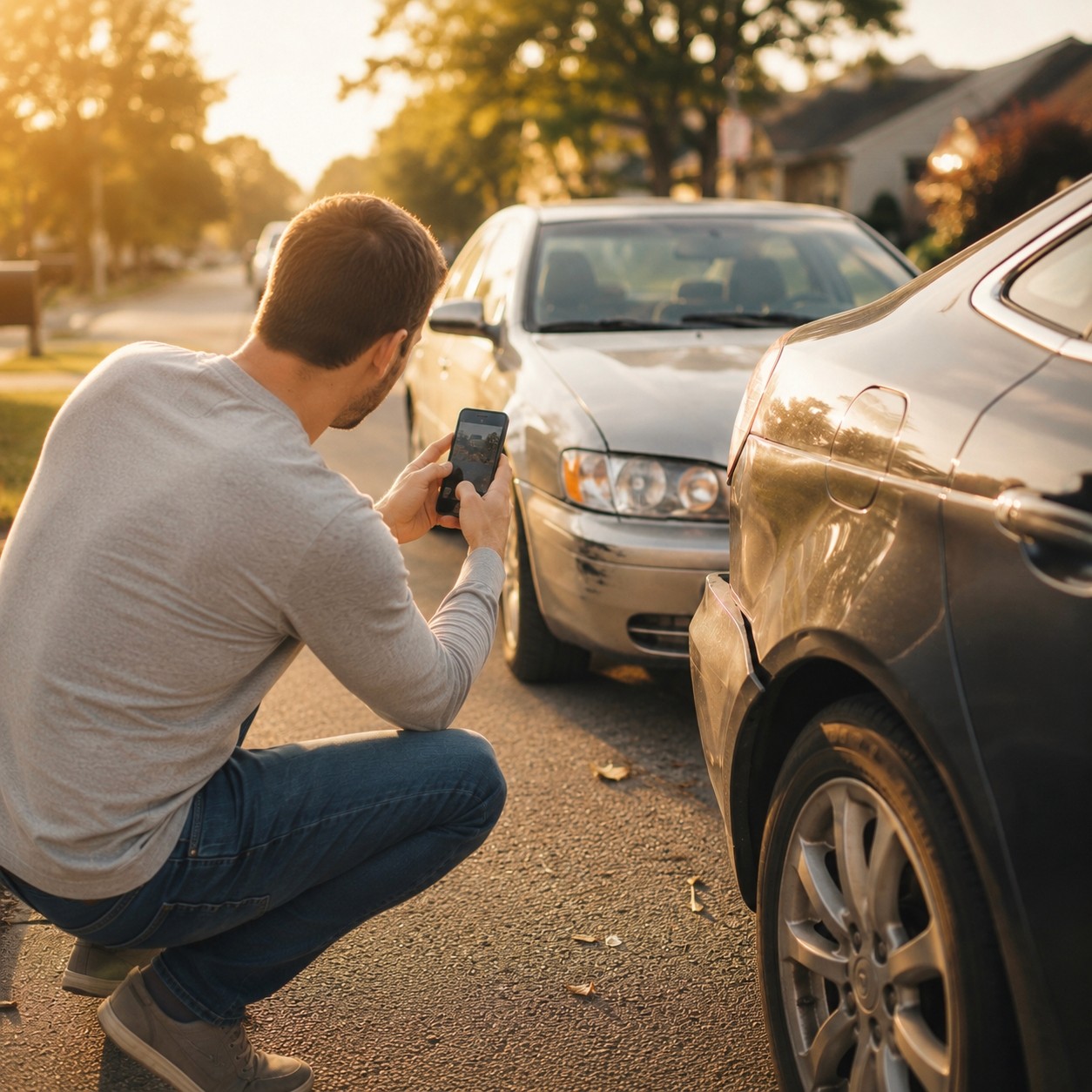
GDC is not insurance, so getting support through GDC works differently from filing an auto insurance claim.
Here are four things to know before you need support.
────────
01 Why Does GDC Need My Current Declarations Page?
A Declarations Page (Dec Page) is the summary page of your auto insurance policy. To request GDC Sharing, the member needs to provide a current Dec Page.
The Dec Page helps confirm the vehicle's status at the time of the accident. It shows whether the vehicle still had active collision, comprehensive, uninsured/underinsured motorist property damage (UMPD), rental coverage, or other applicable benefits.
If any of these coverages were in effect at the time of the accident, the member needs to use them first. If the claim is denied or not fully paid, the remaining unpaid portion may be submitted to GDC for review.
This helps keep community sharing clear and fair for all members.
────────
02 Why Do Both OOP and RPB Apply?
With auto insurance, the full premium is usually paid upfront. After an accident, the main out-of-pocket cost is usually the deductible.
GDC works differently. When a member joins, they typically pay 20% of the quoted amount as a service fee. The remaining 80% stays in the member's own bank account as the pledge amount.
RPB is not an additional charge after an accident. It is simply the unused portion of the pledge amount that has been sitting in your own bank account since you joined GDC.
For an eligible event, eligible repair costs are generally paid in this order:
The member's OOP → the member's RPB → community sharing
After the member's RPB has been used up, RPB will not be applied again for another eligible accident in the same plan term.
────────
03 When Can I Choose My Own Repair Shop?
As a general rule, all repairable accident damage needs to be repaired at a GDC Partner Repair Shop.
There are two exceptions.
First, if there is no GDC Partner Repair Shop within a 25-mile radius of the member’s permanent residence, the member may choose their own repair shop or travel to a GDC Partner Repair Shop.
Second, if the accident involves two or more parties and the at-fault party's insurance company covers the repair costs, the member needs to arrange their own repairs and file a claim directly with the at-fault party's insurance company.
In these situations, repairs outside the GDC partner network may still be eligible for GDC Sharing. The sharing payment will be sent directly to the member, and the member will be responsible for paying the shop they choose.
────────
04 Why Do I Need to Contact the Other Driver's Insurance First?
Insurance companies can often pay for your damage first and then recover the money from the at-fault driver's insurance later. This legal process is called subrogation.
Because GDC is not insurance, GDC cannot do this.
That is why, when another driver appears to be at fault, members usually need to contact the other driver's insurance company first. The process usually works this way:
Step 1: File a claim with the at-fault party's insurer first
If the other party is clearly at fault, the member should file a claim with that party's insurer first.
Step 2: If the claim is denied or not fully paid, request GDC sharing
If the at-fault party's insurer denies the claim or does not fully pay for the loss, the member may request GDC Sharing. GDC will review the unpaid portion based on GDC rules.
Step 3: The member's Out-of-Pocket amount (OOP) may be waived based on fault
When the member requests GDC Sharing, the OOP may be waived in whole or in part based on the other party's share of fault.
Step 4: Rental expenses should also be submitted to the at-fault party's insurer first
If the damaged vehicle is not safely drivable while the third-party claim is being handled, the member may rent a replacement vehicle. Rental costs are part of your accident-related damages and should first be submitted to the at-fault party's insurer. If that insurer declines to pay, those expenses may be submitted to GDC for review.
Step 5: GDC may provide Supplemental Transportation Assistance (STA) while the claim is pending
Most third-party insurance claims are resolved within 1–2 weeks. For cases that take longer, or for members who do not have GDC Transportation Assistance, GDC may provide STA of up to $40 per day for up to 60 days. STA is handled through direct community sharing and does not count against that member's Remaining Pledge Balance (RPB).
Please note:
If you are not sure who was at fault, report the accident to GDC as soon as possible. An auto damage specialist will review the situation and guide you through the next steps.
When contacting the at-fault party's insurance company, clearly explain that the vehicle does not carry collision or comprehensive coverage, and ask that insurer to handle the claim directly. Calling 911 while both parties are at the scene and requesting a police report can often help with fault determination and claim handling.
In most cases, you do not need to argue with the other insurance company or hire someone to negotiate fault. Provide the evidence you have, describe what happened as accurately as possible, and cooperate with the insurer's investigation. If the insurer denies the claim, keep any written response from the insurer and then request GDC Sharing.
If you have questions, or if you are not sure which process applies to your situation, please contact GDC Support in the GDC App.
GDC is not insurance, so getting support through GDC works differently from filing an auto insurance claim.
Here are four things to know before you need support.
────────
01 Why Does GDC Need My Current Declarations Page?
A Declarations Page (Dec Page) is the summary page of your auto insurance policy. To request GDC Sharing, the member needs to provide a current Dec Page.
The Dec Page helps confirm the vehicle's status at the time of the accident. It shows whether the vehicle still had active collision, comprehensive, uninsured/underinsured motorist property damage (UMPD), rental coverage, or other applicable benefits.
If any of these coverages were in effect at the time of the accident, the member needs to use them first. If the claim is denied or not fully paid, the remaining unpaid portion may be submitted to GDC for review.
This helps keep community sharing clear and fair for all members.
────────
02 Why Do Both OOP and RPB Apply?
With auto insurance, the full premium is usually paid upfront. After an accident, the main out-of-pocket cost is usually the deductible.
GDC works differently. When a member joins, they typically pay 20% of the quoted amount as a service fee. The remaining 80% stays in the member's own bank account as the pledge amount.
RPB is not an additional charge after an accident. It is simply the unused portion of the pledge amount that has been sitting in your own bank account since you joined GDC.
For an eligible event, eligible repair costs are generally paid in this order:
The member's OOP → the member's RPB → community sharing
After the member's RPB has been used up, RPB will not be applied again for another eligible accident in the same plan term.
────────
03 When Can I Choose My Own Repair Shop?
As a general rule, all repairable accident damage needs to be repaired at a GDC Partner Repair Shop.
There are two exceptions.
First, if there is no GDC Partner Repair Shop within a 25-mile radius of the member’s permanent residence, the member may choose their own repair shop or travel to a GDC Partner Repair Shop.
Second, if the accident involves two or more parties and the at-fault party's insurance company covers the repair costs, the member needs to arrange their own repairs and file a claim directly with the at-fault party's insurance company.
In these situations, repairs outside the GDC partner network may still be eligible for GDC Sharing. The sharing payment will be sent directly to the member, and the member will be responsible for paying the shop they choose.
────────
04 Why Do I Need to Contact the Other Driver's Insurance First?
Insurance companies can often pay for your damage first and then recover the money from the at-fault driver's insurance later. This legal process is called subrogation.
Because GDC is not insurance, GDC cannot do this.
That is why, when another driver appears to be at fault, members usually need to contact the other driver's insurance company first. The process usually works this way:
Step 1: File a claim with the at-fault party's insurer first
If the other party is clearly at fault, the member should file a claim with that party's insurer first.
Step 2: If the claim is denied or not fully paid, request GDC sharing
If the at-fault party's insurer denies the claim or does not fully pay for the loss, the member may request GDC Sharing. GDC will review the unpaid portion based on GDC rules.
Step 3: The member's Out-of-Pocket amount (OOP) may be waived based on fault
When the member requests GDC Sharing, the OOP may be waived in whole or in part based on the other party's share of fault.
Step 4: Rental expenses should also be submitted to the at-fault party's insurer first
If the damaged vehicle is not safely drivable while the third-party claim is being handled, the member may rent a replacement vehicle. Rental costs are part of your accident-related damages and should first be submitted to the at-fault party's insurer. If that insurer declines to pay, those expenses may be submitted to GDC for review.
Step 5: GDC may provide Supplemental Transportation Assistance (STA) while the claim is pending
Most third-party insurance claims are resolved within 1–2 weeks. For cases that take longer, or for members who do not have GDC Transportation Assistance, GDC may provide STA of up to $40 per day for up to 60 days. STA is handled through direct community sharing and does not count against that member's Remaining Pledge Balance (RPB).
Please note:
If you are not sure who was at fault, report the accident to GDC as soon as possible. An auto damage specialist will review the situation and guide you through the next steps.
When contacting the at-fault party's insurance company, clearly explain that the vehicle does not carry collision or comprehensive coverage, and ask that insurer to handle the claim directly. Calling 911 while both parties are at the scene and requesting a police report can often help with fault determination and claim handling.
In most cases, you do not need to argue with the other insurance company or hire someone to negotiate fault. Provide the evidence you have, describe what happened as accurately as possible, and cooperate with the insurer's investigation. If the insurer denies the claim, keep any written response from the insurer and then request GDC Sharing.
If you have questions, or if you are not sure which process applies to your situation, please contact GDC Support in the GDC App.
Contact@gooddriver.ai
Text Support
Good Driver Club is not an insurance company. This is a cost-sharing community.
©2026 Good Driver Mutuality Inc. All rights reserved.

Contact@gooddriver.ai
Text Support
Good Driver Club is not an insurance company. This is a cost-sharing community.
©2026 Good Driver Mutuality Inc. All rights reserved.