Get the App
How GDC Handles a Total Loss
How GDC Handles a Total Loss
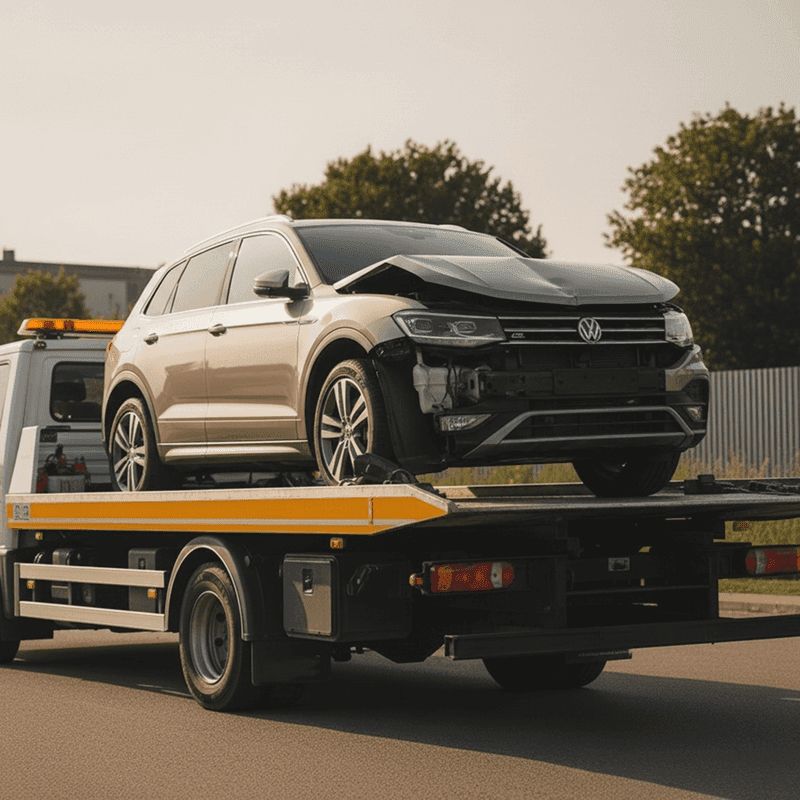
Sometimes vehicle damage is severe enough that repairing the vehicle is not feasible. When that happens, the situation may be handled as a total loss.
Many drivers have never gone through a total loss process before. This guide explains what a total loss is and and what typically happens if your vehicle follows this path.
The steps below focus only on the total loss scenario. The standard repair process is covered in a separate repair journey guide. [Your Repair Journey with GDC]
What "Total Loss" Means
A vehicle is typically treated as a total loss when the cost to repair the damages exceeds a state-mandated threshold, cannot be restored to pre-loss condition, or is simply not cost-effective.
Step 1: Report the Incident
The process begins the same way as any other event.
You report the incident in the GDC app and provide basic details and photos if available.
An Auto Damage Specialist typically contacts you within one business day to review the information and confirm whether the incident is eligible for sharing.
At this stage the specialist explains the next steps and begins reviewing the damage details.
Step 2: Review the Damage and Vehicle Value
If the damage appears significant, the Auto Damage Specialist reviews two things at the same time:
the estimated repair scope
the vehicle's Actual Cash Value
This comparison helps determine whether repairing the vehicle is reasonable or whether total loss rules may apply.
Vehicle's Actual Cash Value (ACV) represents the vehicle's fair market value at the time of the incident.
Numerous factors are used to determine ACV, including:
Mileage
Vehicle condition
Installed features or options
Local market data
Depreciation
Because these factors vary by vehicle and location, ACV reflects the local market value of that specific vehicle before the incident occurred.
To support this evaluation, GDC uses Audatex or DCI Solution, platforms used widely in the automotive repair and appraisal industry. The system analyzes vehicle information and local market data to estimate Actual Cash Value.
Step 3: Total Loss Determination
If the vehicle is determined to be a total loss, the process shifts away from repair scheduling and moves to resolving the vehicle's value.
Step 4: Handling the Vehicle
If the Member chooses to have GDC manage the salvage process, GDC assigns Copart, a nationwide salvage auction company, to pick up, store, and ultimately auction the vehicle.
Members typically need to:
remove personal items and license plates
provide the original signed vehicle title
complete any required state documentation
After the vehicle is auctioned, the net proceeds return to the GDC community and help offset future accident costs shared by Members.
Step 5: Determining the Total Loss Amount
The total loss amount is based on the vehicle's Actual Cash Value before the incident occurred.
Before Weekly Sharing takes place, two amounts are applied from the Member first:
Out-of-Pocket Expense
Remaining Pledge Balance
The remaining eligible amount then move through the weekly sharing process.
Once the weekly announcement and sharing cycle is complete, the shared amount is disbursed to the affected Member.
Communication During a Total Loss Case
The Specialist will constantly update the Member through the entire process through phone calls, text messages, email, or in app messages. Members can also contact their Auto Damage Specialist in the app if questions arise.
Common Questions About Total Loss Situations
Q1: Can I keep the vehicle?
In some states owners are allowed to keep a total loss vehicle. In other states this is not permitted. Your Auto Damage Specialist will explain the rules that apply in your state and what those rules mean for the vehicle's title. Once your vehicle is determined to be a total loss, the vehicle will no longer be eligible for GDC and the Plan for that vehicle will be cancelled, regardless of whether or not the Member retains the vehicle.
Q2: What if I think the vehicle value is incorrect?
ACV is based on local market data and is not negotiated. If important details about the vehicle were missed, Members can provide documentation so the valuation can be reviewed for accuracy.
Q3: What should I do if my vehicle is in a tow yard?
If the vehicle is located at a tow yard or storage facility, the owner usually needs to authorize the vehicle's release. GDC includes up to five days of storage. Storage charges after that period are typically the responsibility of the Member.
Q4: Are there other situations where a vehicle may be considered a total loss?
Yes. A vehicle may also be considered a total loss if it cannot be safely repaired, if key parts are unavailable, if it is stolen and not recovered, or if it has severe flood exposure.
Sometimes vehicle damage is severe enough that repairing the vehicle is not feasible. When that happens, the situation may be handled as a total loss.
Many drivers have never gone through a total loss process before. This guide explains what a total loss is and and what typically happens if your vehicle follows this path.
The steps below focus only on the total loss scenario. The standard repair process is covered in a separate repair journey guide. [Your Repair Journey with GDC]
What "Total Loss" Means
A vehicle is typically treated as a total loss when the cost to repair the damages exceeds a state-mandated threshold, cannot be restored to pre-loss condition, or is simply not cost-effective.
Step 1: Report the Incident
The process begins the same way as any other event.
You report the incident in the GDC app and provide basic details and photos if available.
An Auto Damage Specialist typically contacts you within one business day to review the information and confirm whether the incident is eligible for sharing.
At this stage the specialist explains the next steps and begins reviewing the damage details.
Step 2: Review the Damage and Vehicle Value
If the damage appears significant, the Auto Damage Specialist reviews two things at the same time:
the estimated repair scope
the vehicle's Actual Cash Value
This comparison helps determine whether repairing the vehicle is reasonable or whether total loss rules may apply.
Vehicle's Actual Cash Value (ACV) represents the vehicle's fair market value at the time of the incident.
Numerous factors are used to determine ACV, including:
Mileage
Vehicle condition
Installed features or options
Local market data
Depreciation
Because these factors vary by vehicle and location, ACV reflects the local market value of that specific vehicle before the incident occurred.
To support this evaluation, GDC uses Audatex or DCI Solution, platforms used widely in the automotive repair and appraisal industry. The system analyzes vehicle information and local market data to estimate Actual Cash Value.
Step 3: Total Loss Determination
If the vehicle is determined to be a total loss, the process shifts away from repair scheduling and moves to resolving the vehicle's value.
Step 4: Handling the Vehicle
If the Member chooses to have GDC manage the salvage process, GDC assigns Copart, a nationwide salvage auction company, to pick up, store, and ultimately auction the vehicle.
Members typically need to:
remove personal items and license plates
provide the original signed vehicle title
complete any required state documentation
After the vehicle is auctioned, the net proceeds return to the GDC community and help offset future accident costs shared by Members.
Step 5: Determining the Total Loss Amount
The total loss amount is based on the vehicle's Actual Cash Value before the incident occurred.
Before Weekly Sharing takes place, two amounts are applied from the Member first:
Out-of-Pocket Expense
Remaining Pledge Balance
The remaining eligible amount then move through the weekly sharing process.
Once the weekly announcement and sharing cycle is complete, the shared amount is disbursed to the affected Member.
Communication During a Total Loss Case
The Specialist will constantly update the Member through the entire process through phone calls, text messages, email, or in app messages. Members can also contact their Auto Damage Specialist in the app if questions arise.
Common Questions About Total Loss Situations
Q1: Can I keep the vehicle?
In some states owners are allowed to keep a total loss vehicle. In other states this is not permitted. Your Auto Damage Specialist will explain the rules that apply in your state and what those rules mean for the vehicle's title. Once your vehicle is determined to be a total loss, the vehicle will no longer be eligible for GDC and the Plan for that vehicle will be cancelled, regardless of whether or not the Member retains the vehicle.
Q2: What if I think the vehicle value is incorrect?
ACV is based on local market data and is not negotiated. If important details about the vehicle were missed, Members can provide documentation so the valuation can be reviewed for accuracy.
Q3: What should I do if my vehicle is in a tow yard?
If the vehicle is located at a tow yard or storage facility, the owner usually needs to authorize the vehicle's release. GDC includes up to five days of storage. Storage charges after that period are typically the responsibility of the Member.
Q4: Are there other situations where a vehicle may be considered a total loss?
Yes. A vehicle may also be considered a total loss if it cannot be safely repaired, if key parts are unavailable, if it is stolen and not recovered, or if it has severe flood exposure.

Contact@gooddriver.ai
Text Support
Good Driver Club is not an insurance company. This is a cost-sharing community.
©2026 Good Driver Mutuality Inc. All rights reserved.

Contact@gooddriver.ai
Text Support
Good Driver Club is not an insurance company. This is a cost-sharing community.
©2026 Good Driver Mutuality Inc. All rights reserved.