Get the App
Why Repair Timelines Can Feel Slow — Even When They're Not
Why Repair Timelines Can Feel Slow — Even When They're Not
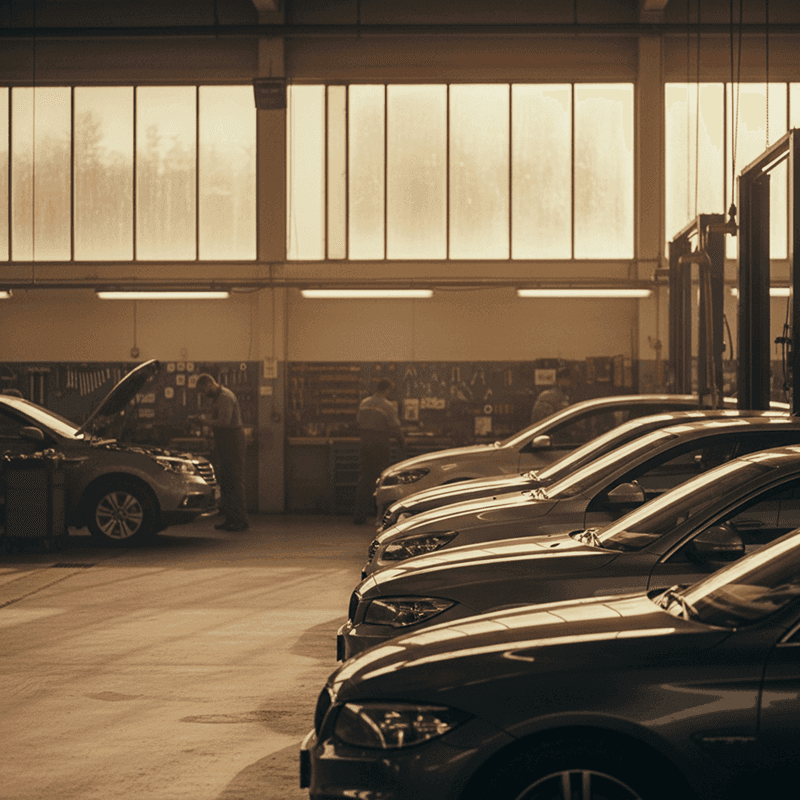
It's been more than a month. Your car still isn't ready. You may be wondering if something has gone wrong or if your repair has stalled.
That frustration makes sense. Uncertainty can be harder than the repair itself.
But longer timelines are common in auto repairs, and progress often continues even when there are no visible updates.
How the Repair Process Works
When you submit an incident through the GDC app, an Auto Damage Specialist steps in to help guide the process. That Specialist works directly with the repair shop, reviews the details, confirms eligibility, and keeps the process moving forward.
In one real repair case from early July, a Member reached out after weeks of waiting.
Here's how that repair progressed, step by step.
June 2–4: The Auto Damage Specialist contacted the Member as scheduled and gathered details. Documents were uploaded, and email was established as the preferred method of contact.
The incident was confirmed as eligible for sharing, and the Member selected one of GDC's guaranteed partner repair shops.
June 5–16: The shop completed an inspection, created an estimate of repair, and coordinated a repair start date. The vehicle entered the shop on June 16.
June 18–July 2: During repairs, the shop discovered hidden damage. Additional parts were required, some of which were not available locally. Parts had to be sourced from farther away, which extended the timeline.
Throughout this period, the Auto Damage Specialist updated the estimated completion date and shared updates by text, email, and phone.
July 8: Repairs were completed, and the Member picked up the vehicle.
Updates were shared at key points, such as after the initial inspection, when new damage was found, and when the estimated completion date changed.
When messages are missed or delayed, it can feel like nothing is happening, even though the repair is still moving forward.
Why Repair Timelines Change
Initial inspections usually only show what can be seen on the surface. Once a vehicle is taken apart, shops often uncover additional issues such as internal structural damage, broken brackets, or electrical problems.
These findings require updated repair plans and additional parts, which can add time.
Parts availability also plays a role. Repair shops often try to source high-quality alternative parts first. If those parts are not available nearby, original manufacturer parts may be required. Depending on the part and location, delivery can take several weeks.
What a Typical Repair Timeline Looks Like in the U.S.
According to CCC Intelligent Solutions Q1 2025 report:
The U.S. average for "damage confirmed" to "vehicle returned" is 28.7 days.
The U.S. average for "damage confirmed" to "vehicle in shop" is 14.8 days.
In the example above, the repair fell within that average range.
It can also help to remember that most of the timeline is not spent actively working on the vehicle.
Repairs often move in stages. A car may wait for parts to arrive, for shop capacity to open up, or for revised estimates to be reviewed after new damage is found.
What Members Can Expect From Updates
Updates are usually shared at key stages rather than through daily phone calls.
To stay informed, it helps to regularly check email, text and in-app messages and to ensure app notifications are turned on.
You can also message your Specialist in the app if questions arise.
Our community is built on trust, shared responsibility, and clear communication. The focus is on reducing uncertainty and helping Members feel confident about what is happening and what to expect next.
*GDC Program may use non-OEM parts for repairs when appropriate. Except for key safety components, OEM parts may not be used if quality alternatives are available. Quality alternative parts have the same fit and finish as OEM parts and have the same warranty or better than OEM parts.
It's been more than a month. Your car still isn't ready. You may be wondering if something has gone wrong or if your repair has stalled.
That frustration makes sense. Uncertainty can be harder than the repair itself.
But longer timelines are common in auto repairs, and progress often continues even when there are no visible updates.
How the Repair Process Works
When you submit an incident through the GDC app, an Auto Damage Specialist steps in to help guide the process. That Specialist works directly with the repair shop, reviews the details, confirms eligibility, and keeps the process moving forward.
In one real repair case from early July, a Member reached out after weeks of waiting.
Here's how that repair progressed, step by step.
June 2–4: The Auto Damage Specialist contacted the Member as scheduled and gathered details. Documents were uploaded, and email was established as the preferred method of contact.
The incident was confirmed as eligible for sharing, and the Member selected one of GDC's guaranteed partner repair shops.
June 5–16: The shop completed an inspection, created an estimate of repair, and coordinated a repair start date. The vehicle entered the shop on June 16.
June 18–July 2: During repairs, the shop discovered hidden damage. Additional parts were required, some of which were not available locally. Parts had to be sourced from farther away, which extended the timeline.
Throughout this period, the Auto Damage Specialist updated the estimated completion date and shared updates by text, email, and phone.
July 8: Repairs were completed, and the Member picked up the vehicle.
Updates were shared at key points, such as after the initial inspection, when new damage was found, and when the estimated completion date changed.
When messages are missed or delayed, it can feel like nothing is happening, even though the repair is still moving forward.
Why Repair Timelines Change
Initial inspections usually only show what can be seen on the surface. Once a vehicle is taken apart, shops often uncover additional issues such as internal structural damage, broken brackets, or electrical problems.
These findings require updated repair plans and additional parts, which can add time.
Parts availability also plays a role. Repair shops often try to source high-quality alternative parts first. If those parts are not available nearby, original manufacturer parts may be required. Depending on the part and location, delivery can take several weeks.
What a Typical Repair Timeline Looks Like in the U.S.
According to CCC Intelligent Solutions Q1 2025 report:
The U.S. average for "damage confirmed" to "vehicle returned" is 28.7 days.
The U.S. average for "damage confirmed" to "vehicle in shop" is 14.8 days.
In the example above, the repair fell within that average range.
It can also help to remember that most of the timeline is not spent actively working on the vehicle.
Repairs often move in stages. A car may wait for parts to arrive, for shop capacity to open up, or for revised estimates to be reviewed after new damage is found.
What Members Can Expect From Updates
Updates are usually shared at key stages rather than through daily phone calls.
To stay informed, it helps to regularly check email, text and in-app messages and to ensure app notifications are turned on.
You can also message your Specialist in the app if questions arise.
Our community is built on trust, shared responsibility, and clear communication. The focus is on reducing uncertainty and helping Members feel confident about what is happening and what to expect next.
*GDC Program may use non-OEM parts for repairs when appropriate. Except for key safety components, OEM parts may not be used if quality alternatives are available. Quality alternative parts have the same fit and finish as OEM parts and have the same warranty or better than OEM parts.

Contact@gooddriver.ai
Text Support
Report an incident
Good Driver Club is not an insurance company. This is a cost-sharing community.
©2026 Good Driver Mutuality Inc. All rights reserved.

Contact@gooddriver.ai
Text Support
Report an incident
Good Driver Club is not an insurance company. This is a cost-sharing community.
©2026 Good Driver Mutuality Inc. All rights reserved.